Fighting cyber-crime requires an Enron-like scandal to force the hand of
legislators, the
FBI
argued today.
Only after such an event could the necessary reforms be made to allow
authorities to effectively battle online criminals, according to FBI special
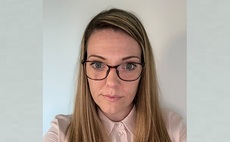
agent Shéna Boswell-Crowe.
"My theory is that computer crime is kind of like white collar crime before
Enron," Boswell-Crowe said during a presentation at the McAfee Avert Labs Day in
Mountain View, California.
"White collar crime used to be the bank [employee] sifting some money off, or
some corporate guy who was going to get rich anyway.
"I do not think that [cyber-crime] has had its day. There has not been
something that's large enough to generate large-scale awareness. Awareness is
increasing, but we have not had that large event that makes people think: 'This
is really bad.'"
Boswell-Crowe complained that, while online crimes are committed within
seconds, it still takes large amounts of evidence to obtain a search warrant.
There also is no clear legislation that defines when adware is installed
illegally. Unless law enforcement officers are able prove an intent to cause
harm, botnet operators can get away with installing adware on computers.
Consumers, in the meantime, are carrying the burden if they become the victim
of key-loggers, because they have technically given up their log-in and password
information voluntarily.
Boswell-Crowe claimed, however, that the FBI is making progress in tracking
down and prosecuting online criminals.
Early cases have mainly involved teenagers looking to make a quick buck, but
forgetting to clean up their tracks.
Tracking down professional organised cyber-criminals takes more time, but the
FBI is building cases against such organised groups.
Boswell-Crowe declined further comment because the FBI does not discuss cases
before they are brought before a judge.
Do you agree?
Have your say on this article