








The UK IT Industry Awards honor those shaping the future of IT, our industry, and digital society.
Unleashing the power of technology leadership
Celebrating pioneering women in technology, inspiring younger generations to join our industry.


Dozens arrested globally and thousands sent warnings

 18 April 2024
•
3 min read
18 April 2024
•
3 min read
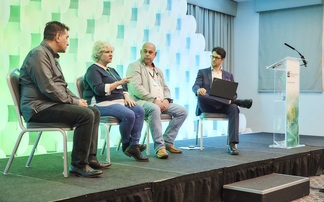
Book your free place today
18 April 2024
•
2 min read

28 terminated over Israel protest
 18 April 2024
•
1 min read
18 April 2024
•
2 min read
17 April 2024
•
4 min read
17 April 2024
•
3 min read
17 April 2024
•
2 min read
16 April 2024
•
2 min read
18 April 2024
•
1 min read
18 April 2024
•
2 min read
17 April 2024
•
4 min read
17 April 2024
•
3 min read
17 April 2024
•
2 min read
16 April 2024
•
2 min read

Enterprises are seeking to transform their IT departments into more agile, efficient, and service-oriented organisations. Cloud computing is a key step in this process. Hybrid cloud has the opportunity to provide the best of both public and private clouds, while eliminating or mitigating their disadvantages. This research highlights the various definitions, deployments and adoption of hybrid cloud by enterprises.
No organisation is exempt from ransomware attacks, as it continues to be one of the most prominent malware threats used by cybercriminals. To survive a ransomware attack, you must be prepared. These 10 ways will help you protect your organisation from ransomware through protective and response methods.
Organisations establish a competitive advantage by embracing cloud capabilities and redesigning their IT environments to meet diverse needs. As a result, many end up operating workloads across multiple public clouds, their on-premises environments, as well as off-premises private clouds in colocation facilities. Download this whitepaper to find out more about how colocation facilities can execute your cloud strategy.
The UK IT Industry Awards honor those shaping the future of IT, our industry, and digital society.
Unleashing the power of technology leadership
Celebrating pioneering women in technology, inspiring younger generations to join our industry.
SPONSORED CONTENT
Unlimited access to real-time news, analysis and opinion from the IT Industry







