All the latest UK technology news, reviews and analysis

RSA provides details of SecureID attack methodology

by Iain Thomson

02 Apr 2011

Be the first to comment

  • Tweet this

RSA has been briefing analysts on the attack vectors used by the hackers seeking access to SecureID technology, and how the break-in was stopped.

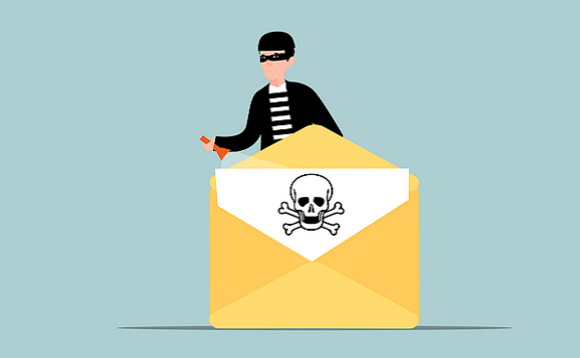
The company said that the initial attack came in the form of emails sent to groups of low ranking employees entitled '2011 Recruitment Plan', which contained an Excel spreadsheet with malware using an Adobe Flash exploit.

The bulk of these were shifted into spam folders, but some were opened and access to RSA was gained by the attackers.

Once inside they used the accounts to access more employees until one was found with access to the target files. The information was harvested and sent to an external server, but RSA has not said exactly what was taken.

The company detected and blocked the attack thanks in large part to third-party network monitoring software from NetWitness. However, reaction times were too slow to prevent the theft of the data.

"RSA should have known better. The irony is that they don't eat their own dogfood," said Gertner analyst Avivah Litan.

"They relied on yesterday's best-of-breed tools to prevent and detect the attack. They obviously weren't able to stop the attack in real time, which means the signals and scores weren't high enough to cause a person to shut down the attack immediately.

Litan praised RSA for alerting customers to the problem, something she said many companies would not have done.

Meanwhile, an unclassified document on the attack from the US Computer Emergency Readiness Team (US-CERT) shows that at least one of the domains used in the attack was based in China.

Sam Norris, founder of ChangeIP.com, the provider for some of the domains on US-CERT's list, told security analyst Brian Krebs that he suspected Chinese involvement.

"Ninety nine per cent of the time, when these guys logged in to one of their accounts to change the IP address for a domain, they were coming from a Chinese address," he said.

"This guy has been emailing me, asking me for the account back, saying things like ‘Hey, I had important stuff on that domain, and I need to get it back.'

"The bad guys are definitely interested in getting it back, which means we probably cut off their communications or made it so that they couldn't clean up their trail afterward."

Do you agree?


Add your comment

We won't publish your address
By submitting a comment you agree to abide by our Terms & Conditions. Your comment will be moderated before publication.

Poll

Flame virus poll

Are you confident that the UK's IT infrastructure is secure from attack in the wake of the Flame malware revelations?

35%

0%

10%

55%

Connect with V3.co.uk

Sign up to our daily or weekly newsletters

Symanteccloud

Social networking: a guide for IT managers

Social networking is almost ubiquitous. This white paper examines the benefits and risks and it looks at the different ways companies can reconcile them

Riverbed

Mitigating the risks of IT change

The importance of understanding your infrastructure

Flash Developer- actionscript, AJAX, JSON

Flash Developer- Actionscript 3.0, AJAX, JSON, computer...

Business Analyst, Risk platform, Equity Derivs, Investment Bank

Business Analyst - Risk platform - Equity Derivatives...

Java Developer - Algorithmic Trading - Global Trading Business

Java Developer - Algorithmic Trading - Global Trading...

Junior Treasury Project Manager, Tier One Investment Bank

Junior Middle Office Project Manager, Treasury, IB...

To send to more than one email address, simply separate each address with a comma.